
Conference Digital Engagement Strategy
Role: Lead Campaign & Digital Engagement Strategist
Campaign Strategy ● Content Strategy ● Conference Outreach ● Audience Development ● Cross-Channel Marketing ● Web Content ● Behavioral Analytics

Project Overview
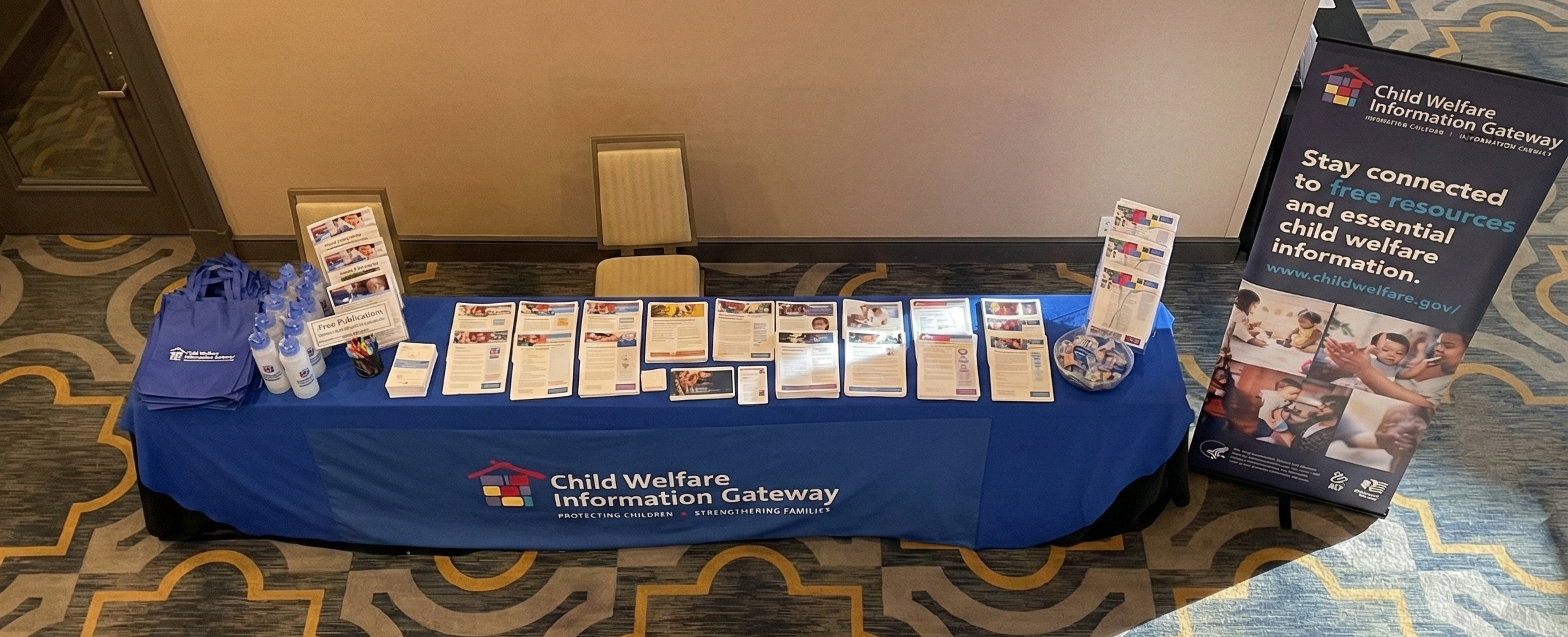
After noticing that CWIG's conference strategy was heavily reliant on print materials with no way to track engagement or convert attendees into long-term audience members, I designed and built an entirely new approach from scratch.
I designed and implemented a digital-first conference engagement strategy centered on trackable QR codes, mobile-optimized landing pages, and a cross-channel "Stay Connected" ecosystem. This transformed conferences from one-time touchpoints into ongoing opportunities for audience development. I applied this strategy across multiple conferences, making it the organization's new standard for conference outreach.
The Challenge
CWIG's conference presence had three core problems that were limiting its impact:
Attendees were burdened by heavy print materials, which they often discarded or lost
Print production was costly and environmentally inefficient, with no mechanism to reuse or update
There was no way to track engagement. CWIG was distributing information without any insight into what resonated or who was paying attention
Conferences represented a significant investment of time and resources, but with no data and no follow-up mechanism, the impact ended when attendees left the floor.
My Approach
1. The Digital Bridge - QR Code Strategy
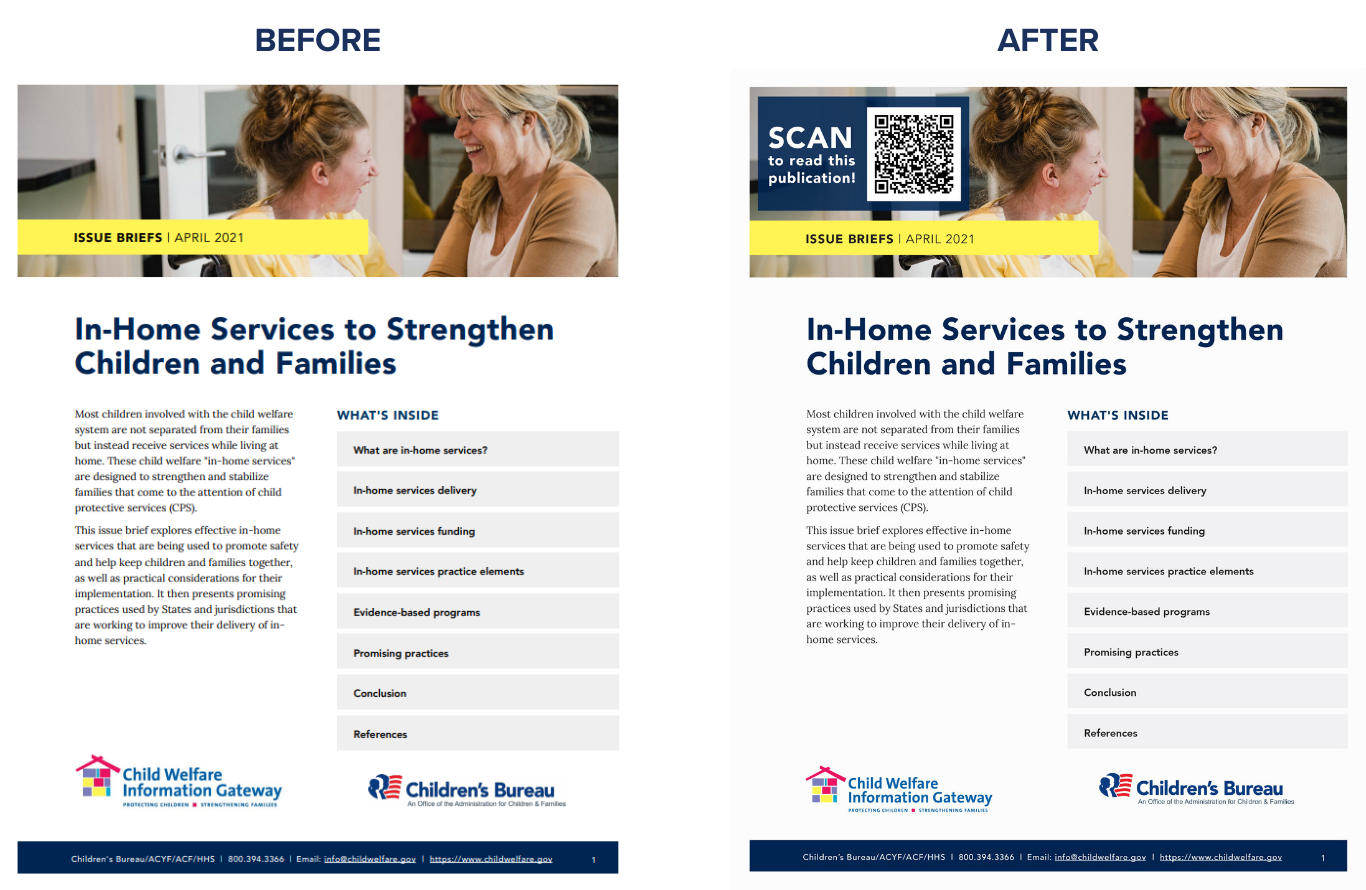
I conceived and led the strategic redesign of CWIG's conference presence around trackable QR codes, replacing bulk print distribution with a hybrid model that gave attendees immediate digital access while retaining physical copies for those who preferred them. The shift eliminated on-site inventory ma1)nagement and gave us, for the first time, real behavioral data on what attendees actually wanted.
2. The “Stay Connected” Ecosystem
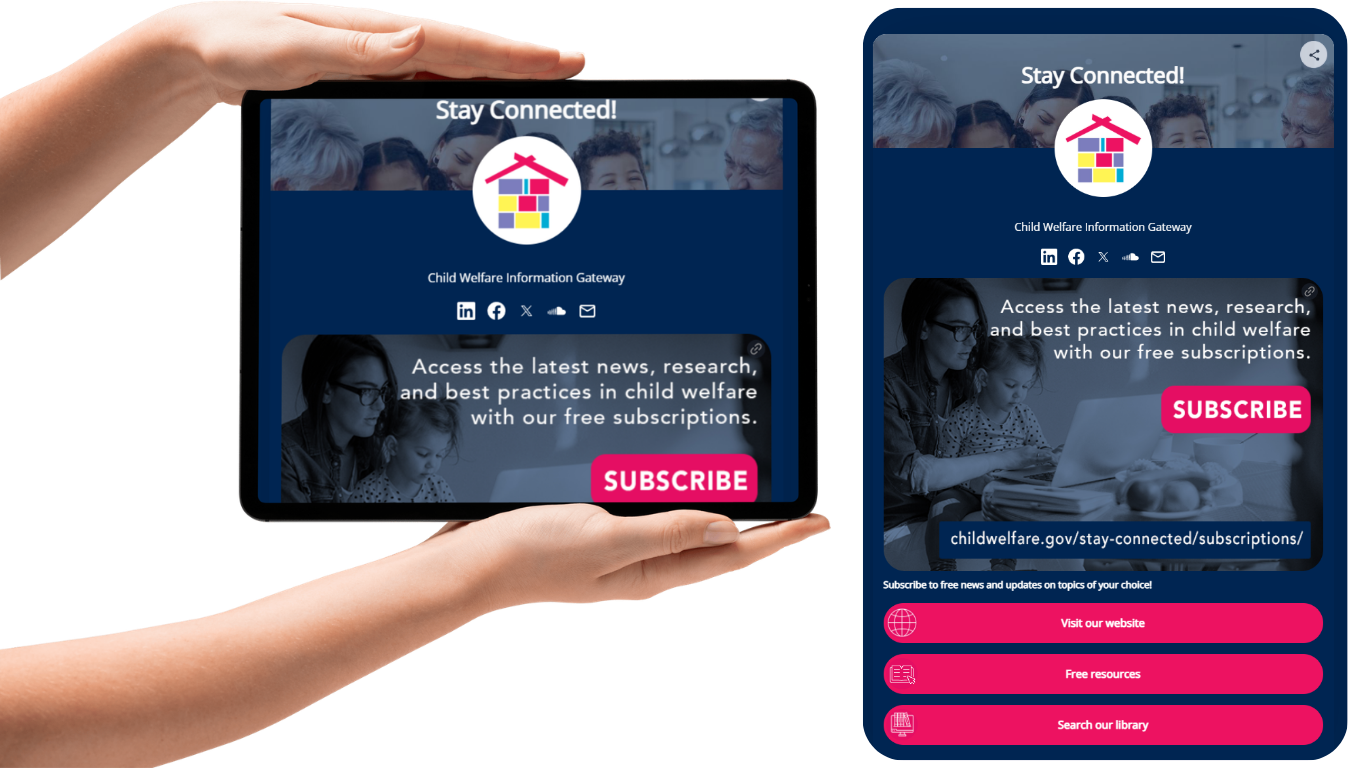
I extended the strategy beyond the conference floor by building a cross-channel follow-up ecosystem. A prominent QR code on conference materials funneled attendees to a permanent digital anchor: a landing page centralizing social channels, featured content, and newsletter sign-up.
This converted booth visitors into long-term audience members and created a measurable link between in-person presence and digital growth.

3. Mobile-First Landing Page
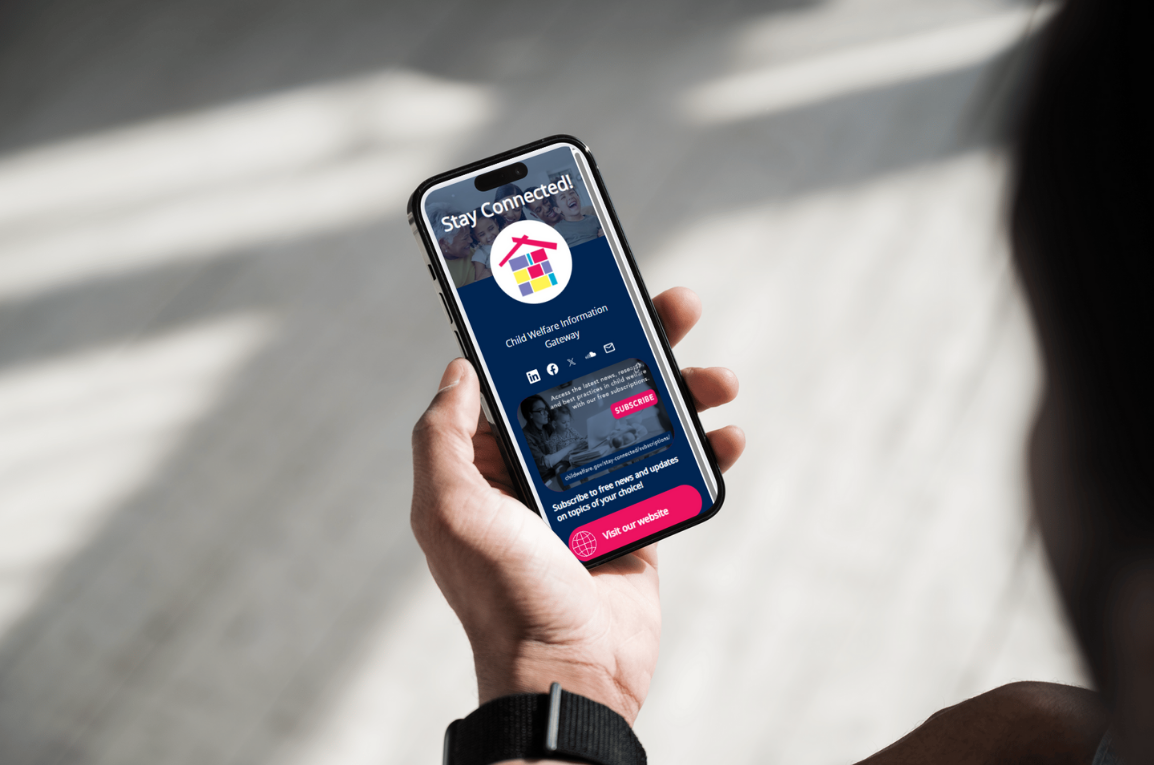
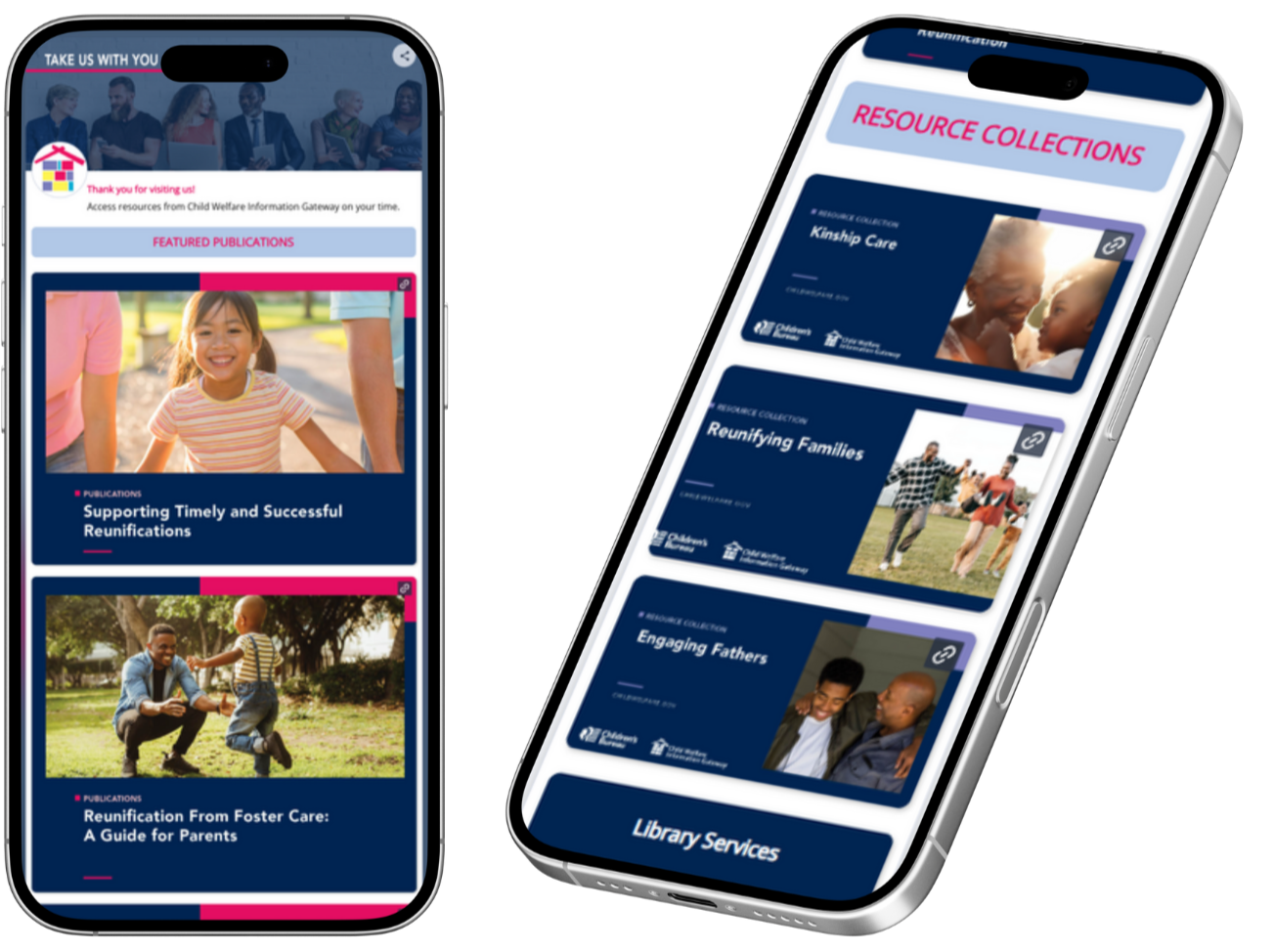
I built and wrote mobile-optimized landing pages in Bitly for each conference, designing the content architecture, writing all copy, and structuring the pages for speed and scannability.
Each page was tailored to the specific conference audience, featuring the most relevant resources, clear calls to action, and direct pathways to all our subscription sign-ups.
4. Measurement Framework
For the first time, CWIG had quantitative data on conference engagement. Trackable QR codes revealed exactly which resources attracted the most interest, which topics were underperforming, and how attendees moved through the digital ecosystem, informing both future conference strategy and broader content decisions.
The Results
698 total scans across 15 conferences
4.6% average landing page click-through rate, driving targeted traffic to priority resources
6% of landing page visitors converted to newsletter subscribers
32% reduction in print production costs across all conferences
First-ever behavioral engagement data from conference attendees, informing ongoing content strategy
Strategy adopted as the new organizational standard
Key Takeaways
This project demonstrated my ability to identify a systemic gap, design a solution from scratch, and implement it at scale. By reimagining the conference as a content and audience development channel — not just a presence — I built a repeatable strategy that generated measurable results, reduced costs, and gave the organization its first real insight into what conference audiences actually care about. What started as my idea became the organization's new standard.