
Child Welfare Information Gateway Conference Brand & Swag Strategy
Role: Lead Brand & Content Strategist
Brand Strategy ● Budget Management ● Market Research ● Thematic Content Alignment ● Cross-Functional Collaboration ● Stakeholder Management ● Conference Outreach ● AI & Tech Integration

Project Overview
✅ Approved by leadership and federal client. Items are currently in production for the 2026 conference season. Results will be added upon completion.
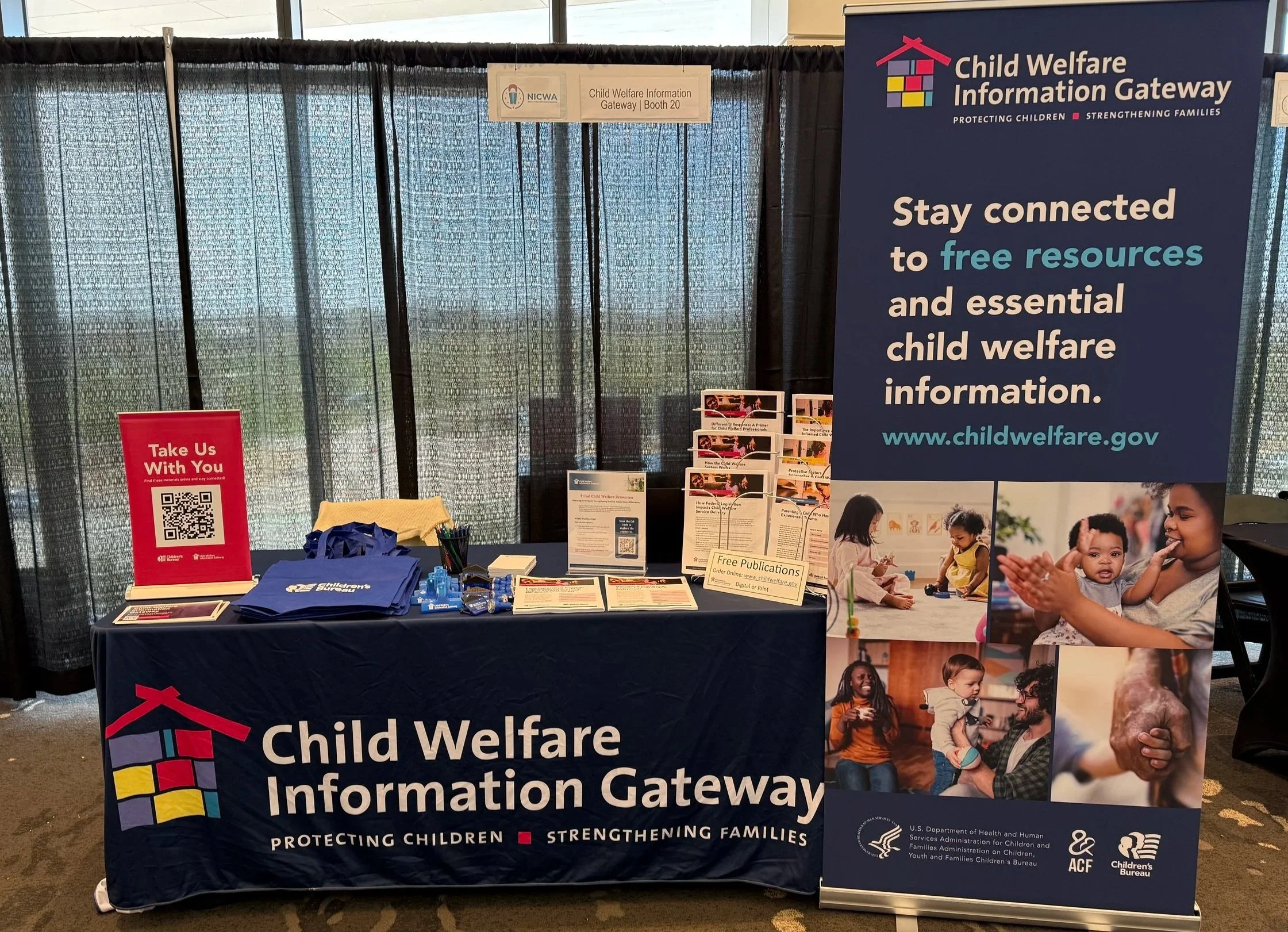
As CWIG's conference strategy evolved, I identified an opportunity to extend the organization's reach beyond the digital ecosystem through a strategic, mission-aligned swag program. Rather than treating conference merchandise as an afterthought, I built it from scratch as a full brand strategy initiative. It focused on aligning every item to CWIG's content pillars, incorporating the organization's emerging AI and technology priorities, and maximizing impact within a tight budget.
I developed and presented a formal two-phase proposal, leading the strategy end-to-end while collaborating with a graphic design lead on visual execution and a conference coordinator on vendor logistics and limitations. The proposal was approved and well-received by both internal leadership and the federal client, and items are currently in production for the 2027 conference season.
View Full Strategy Proposal
The Challenge
CWIG had conference presence but no cohesive swag strategy. Merchandise decisions had historically been made ad hoc, without alignment to content pillars, without a measurement framework, and without a consistent brand voice. Every conference was a missed opportunity to put mission-driven, resource-connected materials into the hands of child welfare professionals.
The additional challenge was doing this strategically within a fixed budget, which meant every decision had to be deliberate, defensible, and optimized for ROI.
My Approach
1. Thematic Alignment Framework
I began by mapping CWIG's core content pillars to swag opportunities — identifying which items could authentically carry each theme and what messaging would connect professionals to the resources behind it.
Preventing Child Abuse & Neglect
Kin-First Culture
Youth & Lived Experience
Workforce Development
Strengthening Families
2. Strategic Proposal and Budget Optimization
The redesigned newsletter featured:
A modern, mobile-first design with clear hierarchy
A newly designed branded banner
Consistent branding and visual identity
Simplified navigation with modular content blocks
Stronger CTAs that guided readers toward priority actions
Two "ad" spaces for recurring features
The Solution
The Results
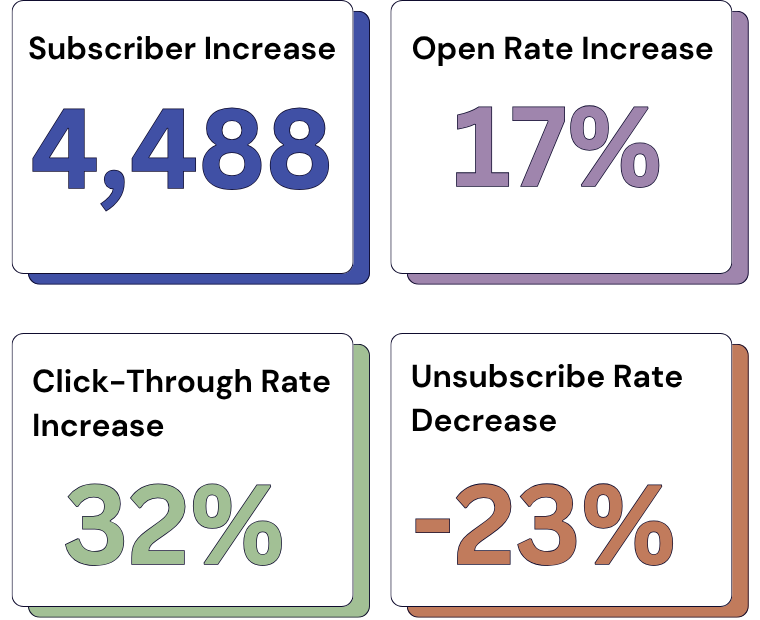
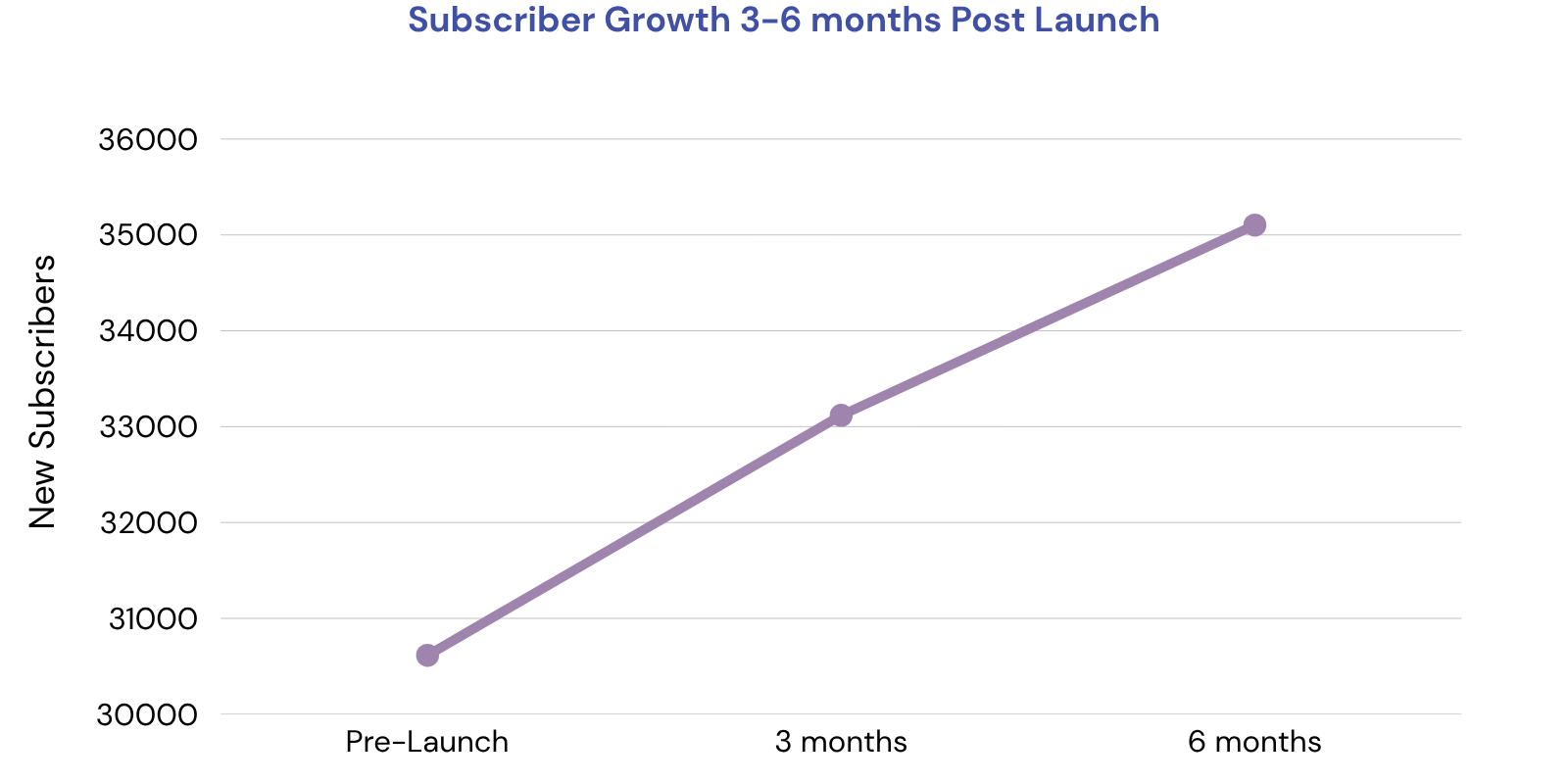
Within the first 6 months post-launch, the newsletter achieved:
I translated the thematic framework into a formal strategic proposal, conducting market research on audience preferences and swag trends, evaluating vendors and pricing tiers, and building a budget allocation model that maximized reach across core items while reserving capacity for a premium raffle item and booth display assets.
Functionality
Brand Visibility
Emotional Resonance
Cost Effectiveness
Cultural Inclusivity

“Lex led the E-lert redesign with impressive independence and clarity. She developed the workplan, content strategy, and visual design while mastering new skills with limited support. She quickly became our go-to expert for GovDelivery templates.”
— C. Lalonde-Hanna, Senior Manager of Marketing and Communications
“Lex embraced challenges, sought solutions proactively, and delivered a high-quality redesign that set a new standard for our subscriptions. The new E-lert was our first mobile-friendly, modern, fully branded template and was widely praised by the team, project leadership, and the client.”
— K. Zagar, Executive Director or Child Welfare Information Gateway
Key Takeaways
This project demonstrated my ability to combine marketing strategy with editorial instincts to deliver measurable results. By leading the project end-to-end, from content architecture and editorial planning to template design and stakeholder management, I strengthened one of the organization's most critical communications channels and grew an engaged audience of over 30,000 readers.